 And now … Verbs!
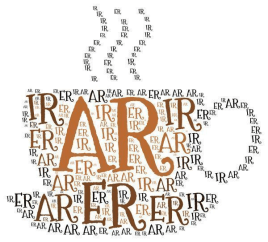
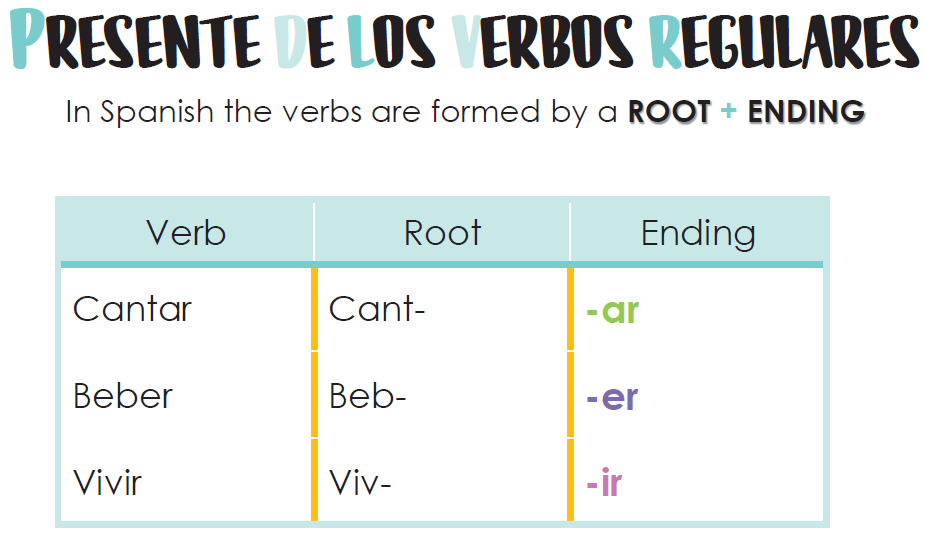
Ya sabemos que el infinitivo es el nombre de una forma verbal que nombra la acción de un verbo. En inglés es la forma raíz del verbo, precedida por la palabra “to”. En español, hay tres grupos de verbos, aquellos cuyo infinitivo termina en –AR, los que terminan en –ER y los que terminan en –IR.
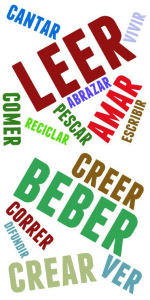 We already know that the infinitive is the name of a verb form that names the action of a verb. In English it is the root form of the verb, preceded by the word “to”. In Spanish, there are three groups of verbs, those whose infinitive ends in -AR, those that end in -ER and those that end in -IR.
 El martes pasado empezamos jugando al Bingo con las letras del alfabeto que son más difíciles para vosotros. Last Tuesday we started playing Bingo with the letters of the alphabet that are more difficult for you.
Aquí tenéis la presentación. Here the presentation is: Clase 3
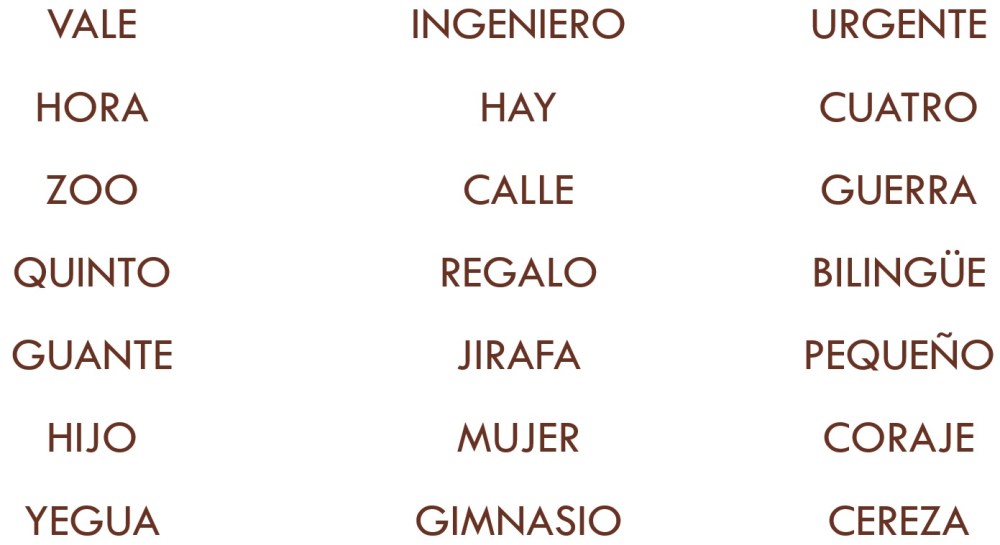
También leímos las siguientes palabras, primero vosotros en parejas y después todos juntos. Poco a poco vamos aprendiendo las diferencias de pronunciación entre el español y el inglés. We also read the following words, first you in pairs and then all together. Little by little we are learning the differences in pronunciation between Spanish and English.
Por cierto, ¿os gustan vuestros nombres en español? By the way, do you like your names in Spanish?
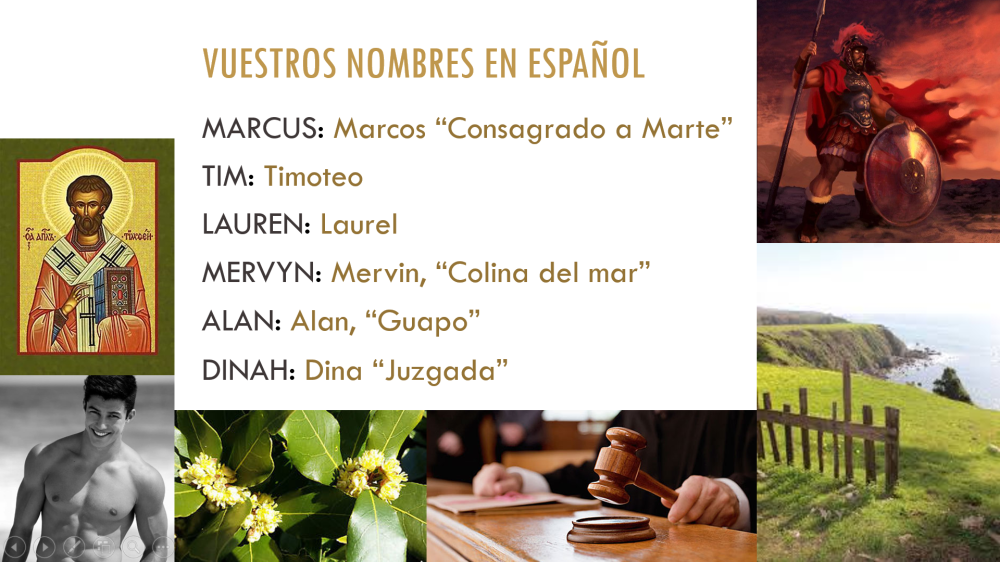
Si queréis conocer más nombres en español, este vídeo os mostrará algunos. If you like to know more Spanish names, this video will show some to you:
También recordamos algunas frases útiles y distinguimos los verbos en ellas. Trabajaremos de nuevo con esos verbos el próximo martes. We also remembered some useful sentences and we indentified the verbs on them. We will be working on those verbs on Tuesday again.

Pensad en 3 hobbies o aficiones que os gusta hacer en vuestro tiempo libre. Las compartiremos en nuestra próxima clase. Think of 3 hobbies that you like to do in your free time. We will share them in our next class.
Ya sabéis que los verbos en español se conjugan de manera diferente según el sujeto de la acción. Y que hay tres grandes grupos de verbos dependiendo de la terminación del infinitivo. Now you know that Spanish verbs are conjugated differently according to the subject of the action and that there are three big groups depending on the infinitive ending.
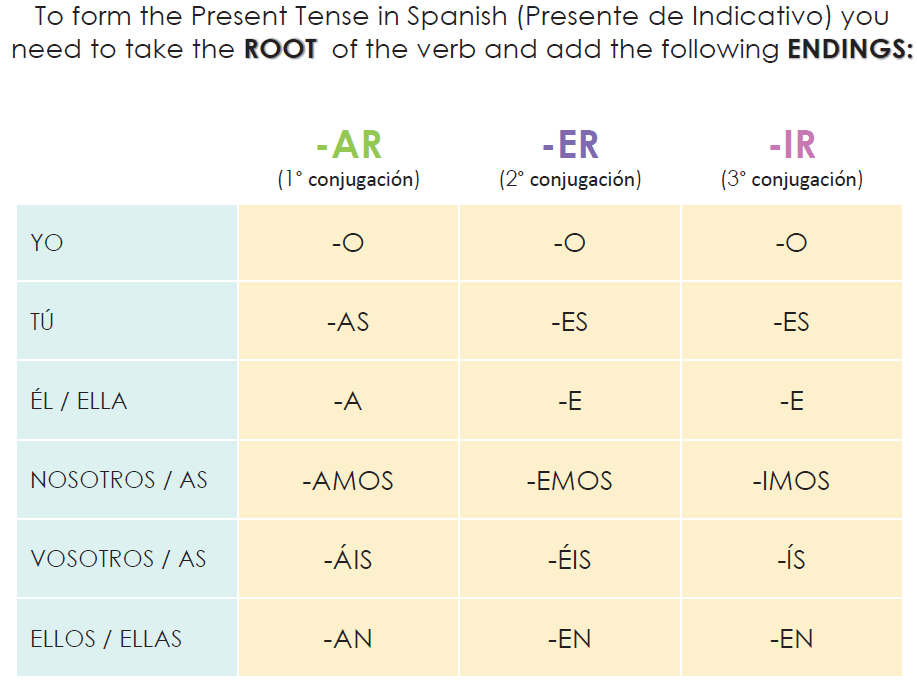

¿Unas canciones para practicar? Some songs to practise?
Cuanto antes os aprendáis las conjugaciones de los verbos, antes podremos empezar a hablar en español. The sooner you learn the verb conjugations, the sooner we can start speaking in Spanish.
¿Te gustaría saber cómo se dice algo en particular en español?  Búscalo en el diccionario y compártelo en clase el martes. Y si durante la semana aprendes una nueva palabra que también pueda ser interesante para tus compañeros, compártela el martes. Would you like to know how to say a particular thing in Spanish? Look it up in the dictionary and share it in class on Tuesday. And if you learn a new word that you think could be also interesting for your class mates during this week, please share it on Tuesday.
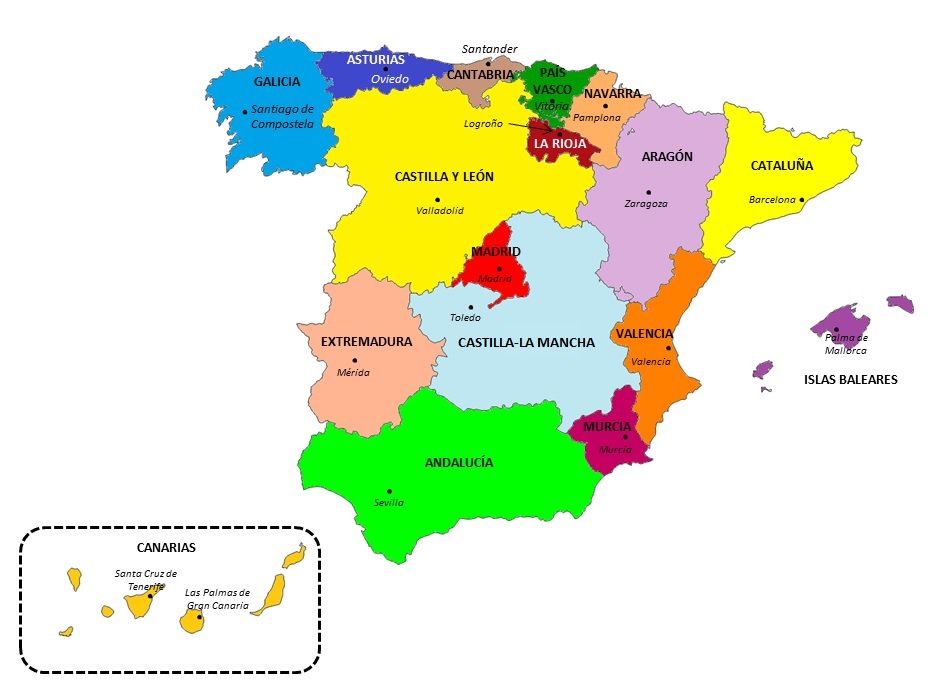
También conocimos las diferentes Comunidades Autónomas de España y compartimos un poco de información sobre ellas. We also knew the Autonomous regions in Spain and shared a little of information about them.
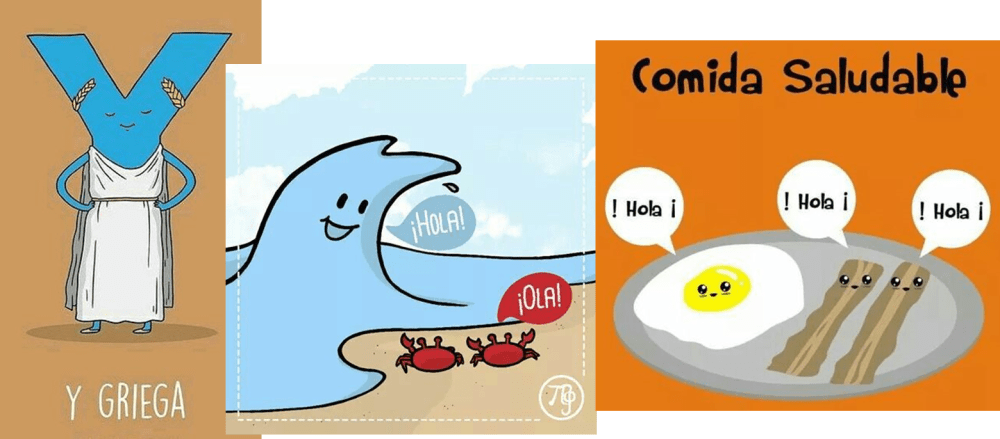
¿Os parecen ahora más graciosas estas viñetas? Do these cartoons seem funnier now?
 ¡Hasta el martes!
- Recomendación de la profe: ¡20 minutos de español al día!
- Your teacher’s recommendation: 20 minutes of Spanish a day!
 Nuestra clase de español